
Why Training Footwork in Isolation in Combat Sports is Sub-Optimal: A Deeper Dive into Movement Science.
Navigating the nonsense of Instagram coaches.

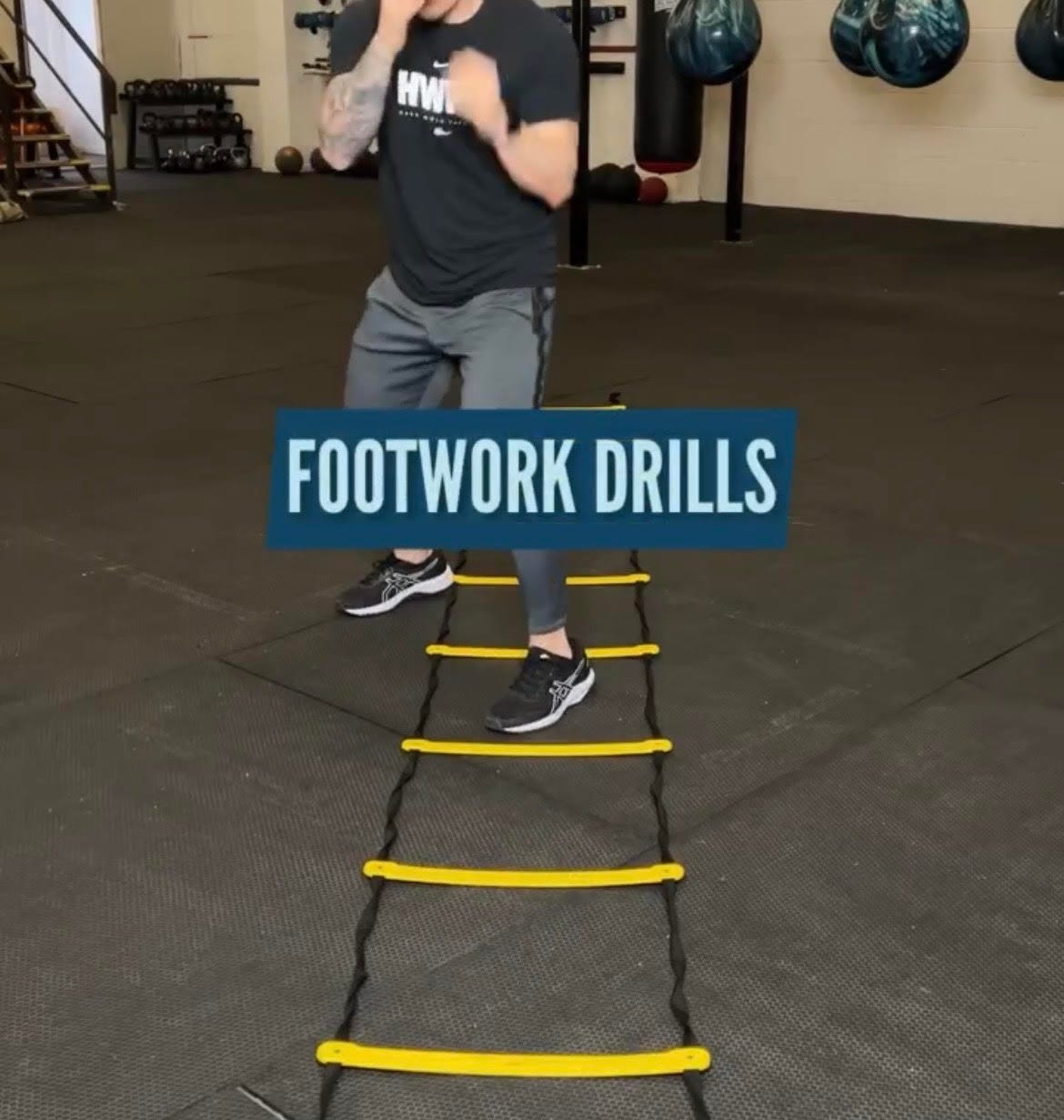
In the world of combat sports, including Boxing, Kickboxing, Taekwon-Do, and MMA, footwork is often viewed as the foundation of good technique. However, a trend has emerged, particularly from the world of Instagram and Tik Tok “coaches”, where footwork is frequently trained in isolation, using methods like overly constraining floor markers (tape on the floor indicating where the feet “should” go) and “agility” ladders. This approach is not the most effective way to develop true combat-ready footwork, regardless of how many times the words ‘coordination’ and ‘agility’ are used to defend these methods. To understand why, we need to delve into the science of human movement and coordination.
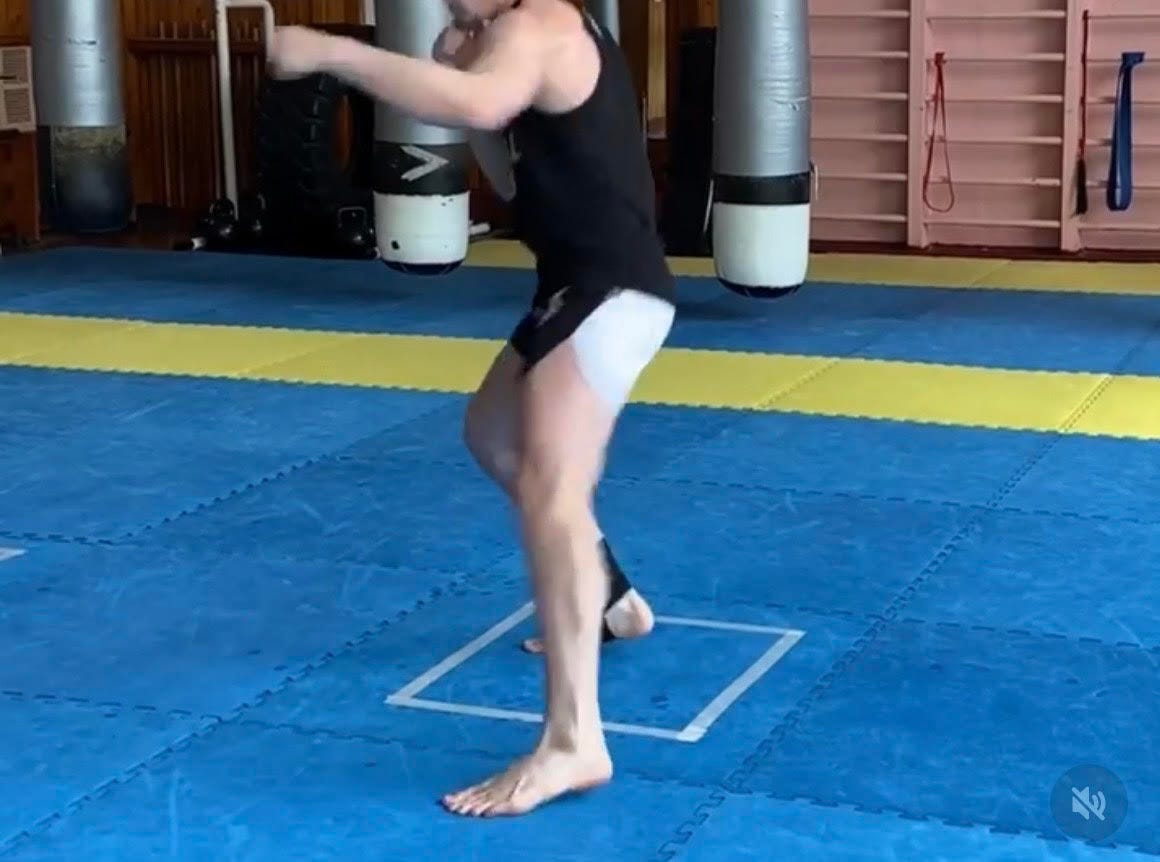
The Non-Linearity of Human Movement:
Human movement is incredibly complex and is governed by non-linear interactions across various body parts. What this means is that movement in one part of the body is intricately connected to and influences movement in other parts. In the context of combat sports, this implies that the movement of the feet is not an isolated event. It's part of a coordinated effort involving the whole body — from the head and torso to the shoulders, arms and hands.
When coaches train athletes' footwork in isolation, they're essentially ignoring this fundamental aspect of movement science. For instance, in boxing, a boxer's jab is not just about extending the arm; it's also about how they pivot their foot, rotate their hips, and position their head relevant to the proximity of the opponent. These movements are interconnected in a way that a simple footwork drill on an “agility” ladder cannot replicate.
The Role of Multifractal Analysis in Understanding Movement:
Movement in combat sports can be better understood through the theory of multifractal analysis, a method that examines complex patterns across different scales. This approach shows us that the patterns in smaller movements (like a slight shift in foot positioning) are similar to those in larger, overall movements (like an entire striking sequence). Training footwork in isolation overlooks these fractal patterns, potentially leading to less effective movement coordination in an actual combat scenario.
The Importance of Contextual and Adaptive Training:
Combat sports are dynamic and unpredictable. Athletes must constantly adapt to their opponent's movements and the evolving nature of the encounter. Training footwork in isolation, particularly with predefined patterns on the ground, does not prepare an athlete for this level of unpredictability. It's essential that footwork training is contextual — meaning it should mimic the conditions and scenarios of a real fight performance as closely as possible.
For example, rather than just practicing footwork through a ladder or markings on the floor, a more effective drill could involve moving in response to a partner's movements or specific fight/performance cues. This type of training engages the entire body and brain in a way that's more reflective of actual performance conditions.
Implications for Movement Efficiency and Injury Prevention:
Efficiency in movement is critical in combat sports, where energy conservation can be the difference between winning and losing. Training footwork as part of the whole body movement ensures that transitions between offence and defence are efficient and fluid. Moreover, this holistic approach to movement training can also help in injury prevention. Isolated footwork drills might lead to an imbalance in muscle development and movement patterns, increasing the risk of injury. This is particularly relevant with use of overly constraining floor markings which disregard an athletes unique anthropometry (limb length, torso shape, foot flexion etc).
Practical Applications for Coaches and Athletes:
Coaches looking to apply these principles should focus on drills that integrate footwork with overall body movement relevant to the sport. For instance, a drill might involve a sequence of punches combined with footwork, encouraging the athlete to move their entire body in a coordinated manner. This approach not only improves footwork but also enhances the athlete's ability to use their footwork effectively in conjunction with other performance related skillsets.
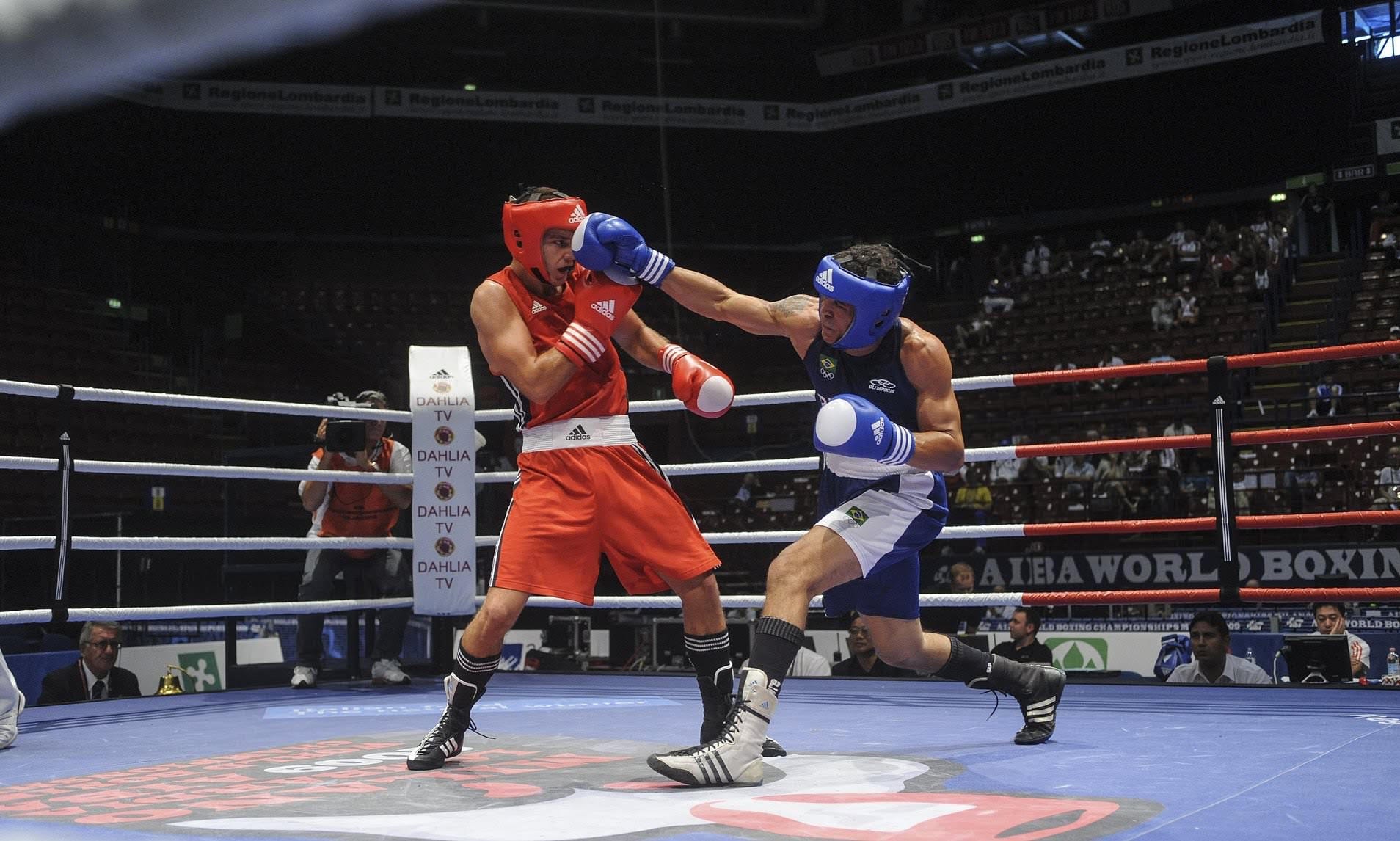
Additionally, coaches should incorporate scenario-based training that mimic the unpredictable nature of a fight. This could involve responding to a partner's tactics or using footwork to navigate certain semi-live drills that more closely resemble the conditions of a real bout.
Conclusion:
While these Insta footwork drills might look impressive and be beneficial for basic plyometric development (skipping does this too) they fall short in preparing an athlete for the complexities of real performance in combat sports. The science of human movement tells us that our actions are interconnected and adaptable, requiring a training approach that acknowledges and leverages these characteristics. By integrating footwork with overall body movement and situational awareness, coaches can develop athletes who are better trained for the reality of combat sport performance. Therefore, coaches who want to develop practice sessions with a better transfer of skill to the performance arena should view these Instagram and Tik Tok coaches with the scrutiny that they deserve.
For those who like to do their own research and reading, here is a good paper that better explains the complexities of human movement - click here